Grown, Cured and
Priced on the Island
Ceylon Spicera was founded in 2020 in Colombo, on a plain premise: the island that grows the spice should be the island that grades, cures, packs and prices it.
Four Hundred Kilos
and One Question
For two thousand years the same cargo has left this island, and for most of that time the profit was made somewhere else — in Alexandria, in Venice, in a re-bagging shed at a foreign port. The grower was paid least and named never.
We began in 2020 with four hundred kilos of Matale cinnamon, graded and quilled under our own name, and a question worth asking after all that history: what if the last mile started here? Six years on, everything we sell comes off a forty-kilometre stretch of the central highlands, bought from families we can name.
No broker sits between the ridge and the tin. The lot sheet ships in the box.
The Trade We Inherited
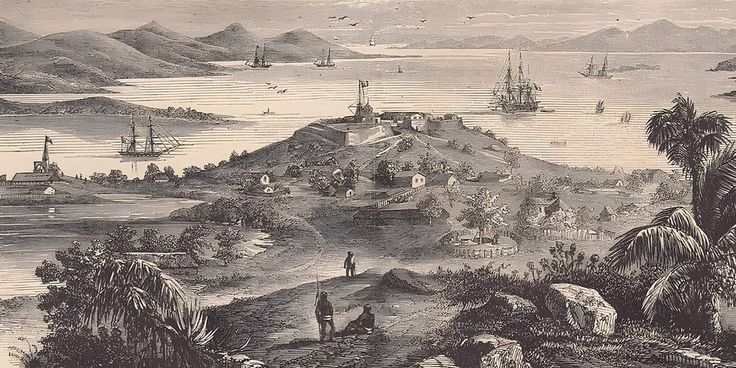
Cinnamomum verum — the true cinnamon — takes its name from the only island that grows it well. Roman and Arab traders wrote about it for centuries without naming its position; a spice worth more than silver was worth a lie about where it came from.
On the Rialto in the 1300s, a pound of Ceylon cinnamon was priced beside metals and medicine. This is what a pound bought in a good year — and what reached the grower.
Four Estates on One Ridge
Between six hundred and eleven hundred metres in the central highlands. Close enough that our graders walk the rows, far enough apart that each estate tastes of its own soil.
Peeled by Hand, Still
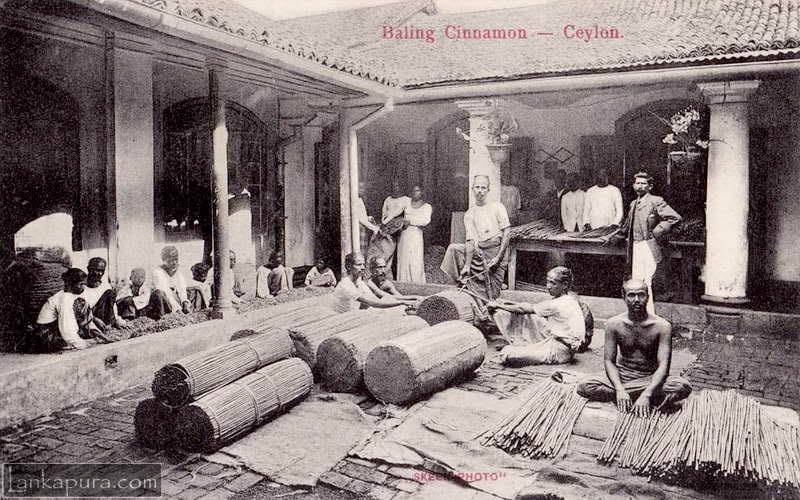
No machine has replaced the peeler's brass rod. The bark is cut at the rains, bruised, lifted in one sheet and rolled inside itself to dry — the same four movements photographed on this island in the 1890s.
Sixty-Two Families
We buy from smallholders on written agreements, at a price set before the season rather than at auction after it. Most of these families have peeled cinnamon for four generations. They are named on every lot sheet we ship.
Nothing Leaves but the Spice
Cinnamon rewards patience and punishes shortcuts. Ours grows under shade trees, on land never cleared for it, and everything the peeler discards goes back into the same soil.
Drying beds on all four estates — no kiln, no diesel.
Leaf and root distilled for oil; the rest composted on-estate.
Canopy retained at sixty per cent — birds first, yield second.
Tins and quill wraps in unbleached kraft, no liner.
Six Years, Kept in Order
A young house on an old route. Every entry is a thing we can point at.
Founded in Colombo. Four hundred kilos of Matale cinnamon graded, quilled and packed under our own name.
Written agreements with the first eighteen smallholder families. Farmgate price fixed above auction, before the season.
Organic and HACCP certification for the Matale curing house. First single-estate lot sheets issued.
First full container to Rotterdam. Ceylon Spicera reaches shelves in nine countries.
The tasting room opens at Cinnamon Gardens, Colombo 07. Trade visits by appointment.
Sixty-two partner families. Solar drying beds replace kiln curing across every estate.
Every tin traceable to one ridge and one season. The lot sheet ships in the box.
Who Signs the Lot Sheet
Three people, one warehouse, and a habit of putting names on things.
Grew up on the Matale ridge. Spent eleven years selling other people's cinnamon before deciding to sell his own.
Walks every estate before every season. Sets the price the families are paid and defends it upward.
Grades by eye and by nose, then documents it twice. Signs off on nothing he has not smelled himself.
Four Things We Do Not Bend
Single-estate lots, never blended to hit a price.
Harvest date on the tin. Nothing held over a year.
Agreed with the grower before the cutting begins.
Ours on the box, the family's on the sheet inside.